

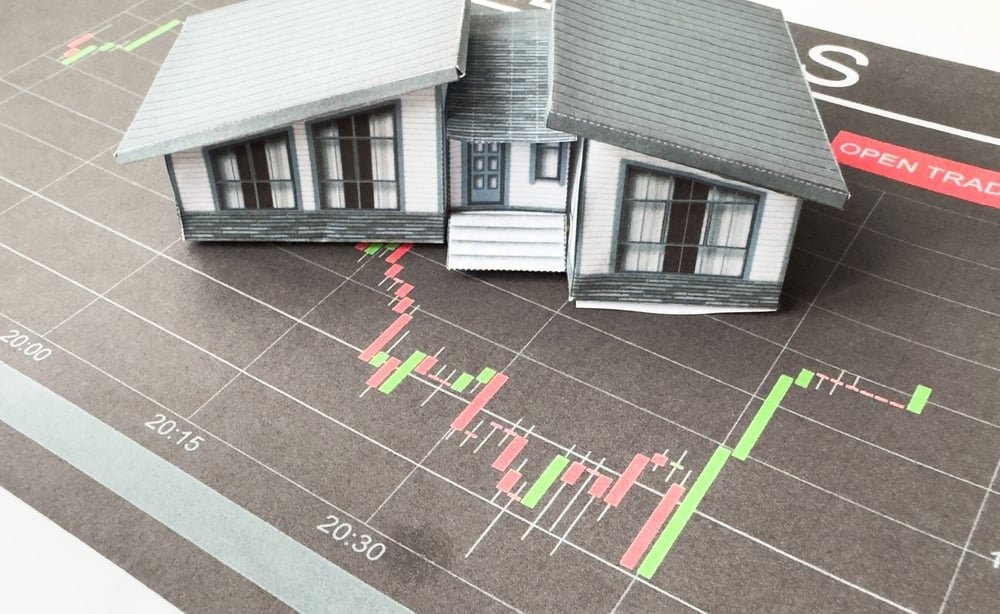
A renter earning $110,000 annually is questioning the necessity of homeownership after revealing they pay only $850 per month, including utilities, in a city where the average home price sits at $758,000.
The Financial Dilemma of Low-Cost Renting
In a housing market where affordability is increasingly rare, securing a rental for just $850 is a significant financial advantage. The individual, who recently landed a high-paying role, expressed uncertainty about whether purchasing a home is a strategic move or if they are better off aggressively investing their surplus income.
While the renter enjoys their current living situation, they have acknowledged that future life changes—such as starting a family with their partner—could eventually necessitate more space. However, for the time being, the math suggests that rushing into the housing market might be counterproductive to their long-term wealth accumulation.
Expert Perspectives: Rent vs. Buy
The consensus among online observers is clear: when rent is exceptionally low, the best financial strategy is often to stay put and invest the difference. “From a pure financial perspective, you should stay in that cheap place for literally as long as you can and invest as much as you can,” one commenter noted. The advice emphasizes that homeownership should be a lifestyle choice rather than a forced financial obligation.
Another popular suggestion involved a “mock mortgage” strategy. By living as though they were paying a $5,000 monthly mortgage and investing the difference, the renter could build a massive down payment fund over the next decade. This approach allows for the accumulation of wealth without the immediate maintenance costs and debt associated with property ownership.
Alternative Ways to Invest in Real Estate
For those who want exposure to real estate without the burden of being a primary homeowner, there are several modern avenues to consider:
- Fractional Ownership: Platforms like Arrived allow investors to purchase shares in professionally managed rental properties, providing access to rental income and property appreciation without the need for hands-on management.
- Private Real Estate & Credit: Services like Fundrise offer access to diversified portfolios that aim to generate passive income, serving as a hedge against stock market volatility.
- Commercial Real Estate: Accredited investors may look toward platforms like EquityMultiple for vetted, institutional-grade commercial deals that require higher entry thresholds but offer unique risk-adjusted returns.
- Farmland Opportunities: For those seeking assets uncorrelated to traditional equities, FarmTogether provides direct access to managed U.S. farmland.
Prioritizing Personal Goals Over Market Pressure
Ultimately, the discussion highlights that buying a home is a personal milestone rather than a strictly mathematical one. Factors such as stability, desire for space, and long-term location preference play a larger role than just the current interest rate environment.
As the original poster discovered, stumbling into a low-rent situation is often one of the best financial positions one can occupy in the current economy. By treating the difference between rent and a potential mortgage as an investment vehicle, the renter is effectively positioning themselves for greater financial freedom in the future, regardless of whether they eventually choose to purchase a property.