

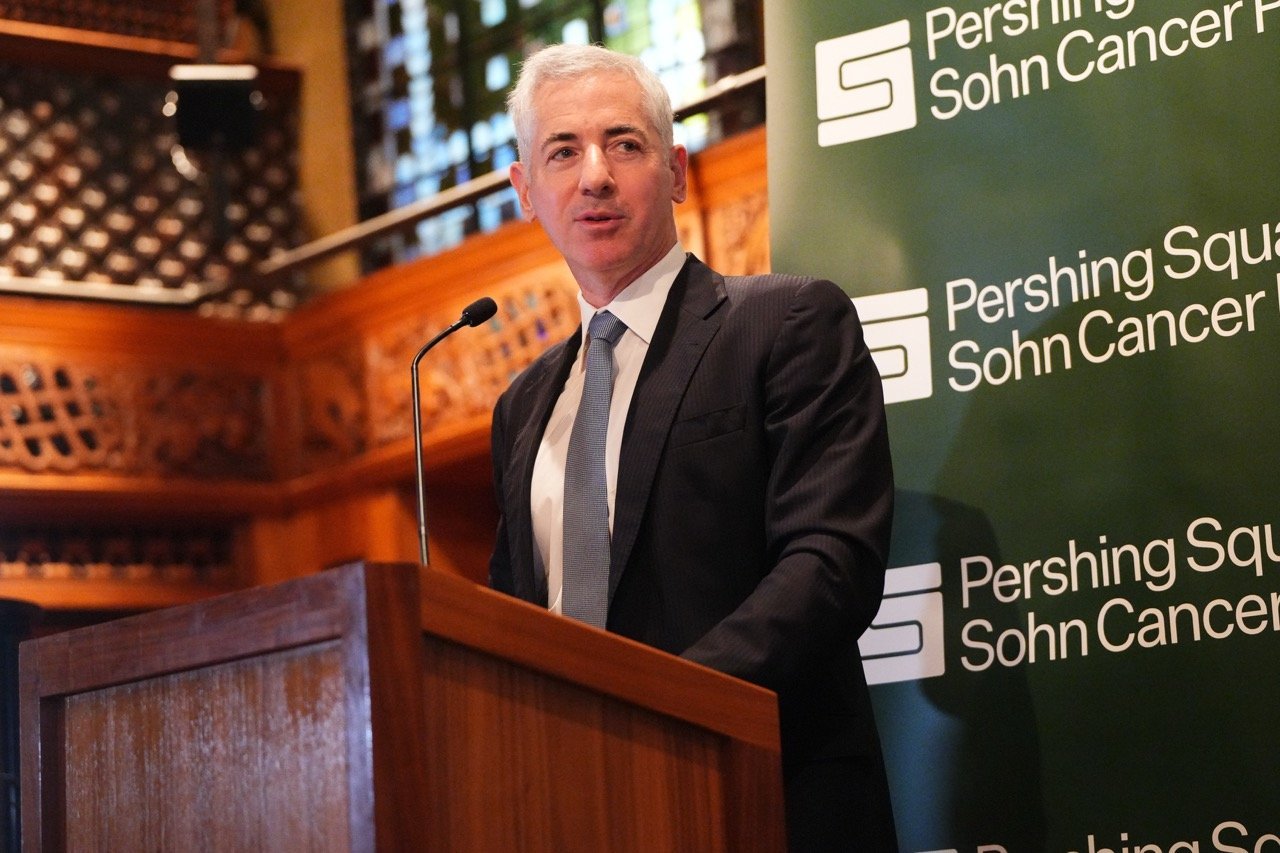
Bill Ackman, the high-profile founder of Pershing Square Capital Management, has maintained a long-term position in Restaurant Brands International (NYSE: QSR) for nearly 12 years, viewing the company as a cornerstone of his concentrated portfolio.
Why Ackman Favors the Restaurant Brands Model
Unlike most hedge funds that manage hundreds of positions, Ackman’s Pershing Square is notoriously selective, typically holding only about a dozen stocks. Within a portfolio otherwise dominated by tech giants like Amazon, Microsoft, Alphabet, and Meta, Restaurant Brands stands out as a unique play on the quick-service industry.
Ackman describes the company as a “high-quality, capital-light, growing annuity.” Because the business model relies heavily on franchise and royalty fees from iconic brands—Burger King, Tim Hortons, Popeyes, and Firehouse Subs—it requires minimal overhead while generating high-margin, predictable cash flow.
Dividend Power and Portfolio Impact
Restaurant Brands provides a compelling income stream for investors. The company currently pays a quarterly dividend of $0.65 per share and has successfully increased its payout for 10 consecutive years. With a dividend yield of approximately 3.49%, it offers three times the yield of the S&P 500 average.
As of the end of the first quarter, Ackman held 22.6 million shares of QSR, representing roughly 14% of his total portfolio. This stake generates approximately $58.8 million in annual dividend income, highlighting why the stock remains a vital component of his strategy, especially during periods of market volatility.
Analyzing the Q2 Performance
Following its August 6 earnings release, Restaurant Brands showed solid growth, with revenue climbing 5% to $2.5 billion and adjusted earnings per share rising 14% to $1.07. Despite beating analyst expectations, the stock price dipped roughly 2% post-earnings.
The performance across its brands was varied:
- Burger King: Continued its successful turnaround with an 8.6% increase in comparable store sales.
- Popeyes: Experienced a 5.2% decline in comparable sales.
- Tim Hortons: Remained the company’s most profitable asset, though comparable sales growth was modest at 0.1%.
The Case for Buying the Dip
While some investors were hesitant due to the lack of upwardly revised guidance for the full year, the recent 2% price dip presents a tactical buying opportunity. The growth of the international segment is particularly notable, with international revenue rising 9.8% and operating income jumping 13.2% in the most recent quarter.
Trading at a forward price-to-earnings (P/E) ratio of 13, the stock is attractively valued. Wall Street analysts currently hold a median price target of $85 per share, representing a potential 15% upside over the next 12 months, independent of the reliable dividend yield.