

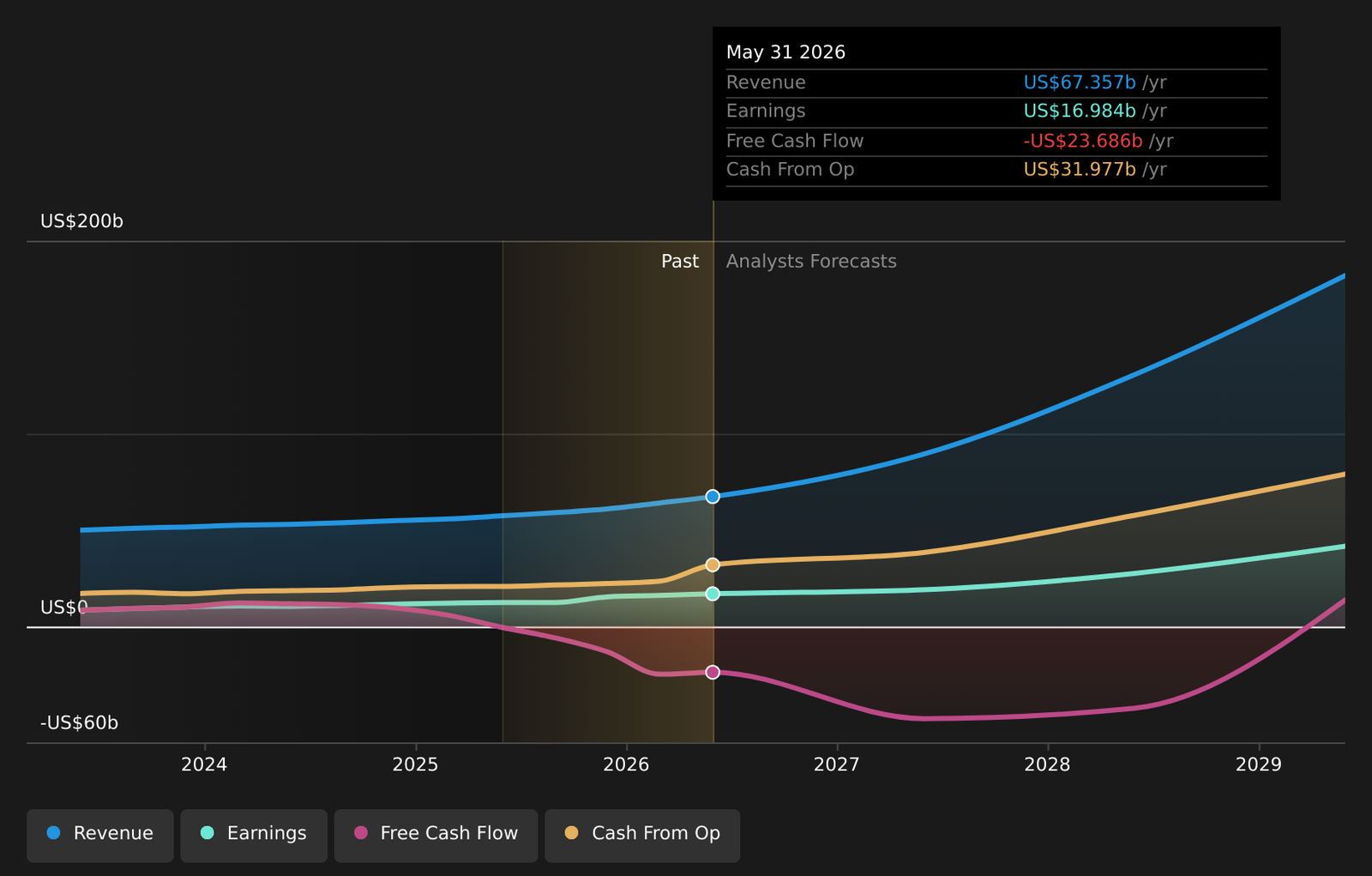
Oracle is integrating Google’s Gemini AI models into its Fusion Applications, NetSuite, and AI Agent Studio, providing enterprise clients with a versatile toolkit to build custom AI agents directly within their existing workflows.
Expanding the AI Ecosystem
By incorporating Gemini 3.1 Flash Lite for cost-effective tasks and Gemini 3.5 Flash for complex reasoning, video, and presentation workflows, Oracle is significantly broadening the choices available to its users. This move allows customers to move beyond the constraints of Oracle Cloud Infrastructure (OCI) Enterprise AI, enabling them to mix and match models that best suit their specific operational needs. This integration strengthens the synergy between Oracle’s robust application stack and its broader AI infrastructure narrative, which remains anchored by a substantial AI-related backlog and aggressive data center expansion.
From Infrastructure Provider to AI Aggregator
While the market has historically focused on Oracle’s proprietary cloud infrastructure, AI-enabled databases, and multi-cloud data centers, this partnership marks a strategic pivot. Oracle is positioning itself as an “AI aggregator” in the enterprise software space. Rather than relying solely on its own technology, the company is now curating third-party models to drive price-performance within its Fusion and NetSuite ecosystems. For investors concerned about the risks associated with Oracle’s massive capital expenditure in AI, this strategy shifts the focus toward execution: how effectively can Oracle leverage multi-model access to drive higher adoption and utility of its core business applications?
Key Metrics to Watch
The success of this strategy will be determined by product uptake and customer feedback over the next 12 to 18 months. Investors should monitor how Oracle quantifies the usage of Gemini-powered features within Fusion and NetSuite, as well as the volume of agents being developed in AI Agent Studio. Furthermore, management commentary during earnings calls regarding specific Gemini use cases will be critical. Any measurable shift in AI workload metrics on OCI directly linked to Gemini agents will serve as a vital indicator of whether this partnership is successfully fueling the broader AI backlog that currently supports the company’s market valuation.
Oracle currently trades at $147.02. Despite a mixed long-term performance—with gains of 34.7% over three years and 74.0% over five—the stock has faced recent headwinds, recording a decline of 24.9% year-to-date and 40.5% over the past twelve months.