

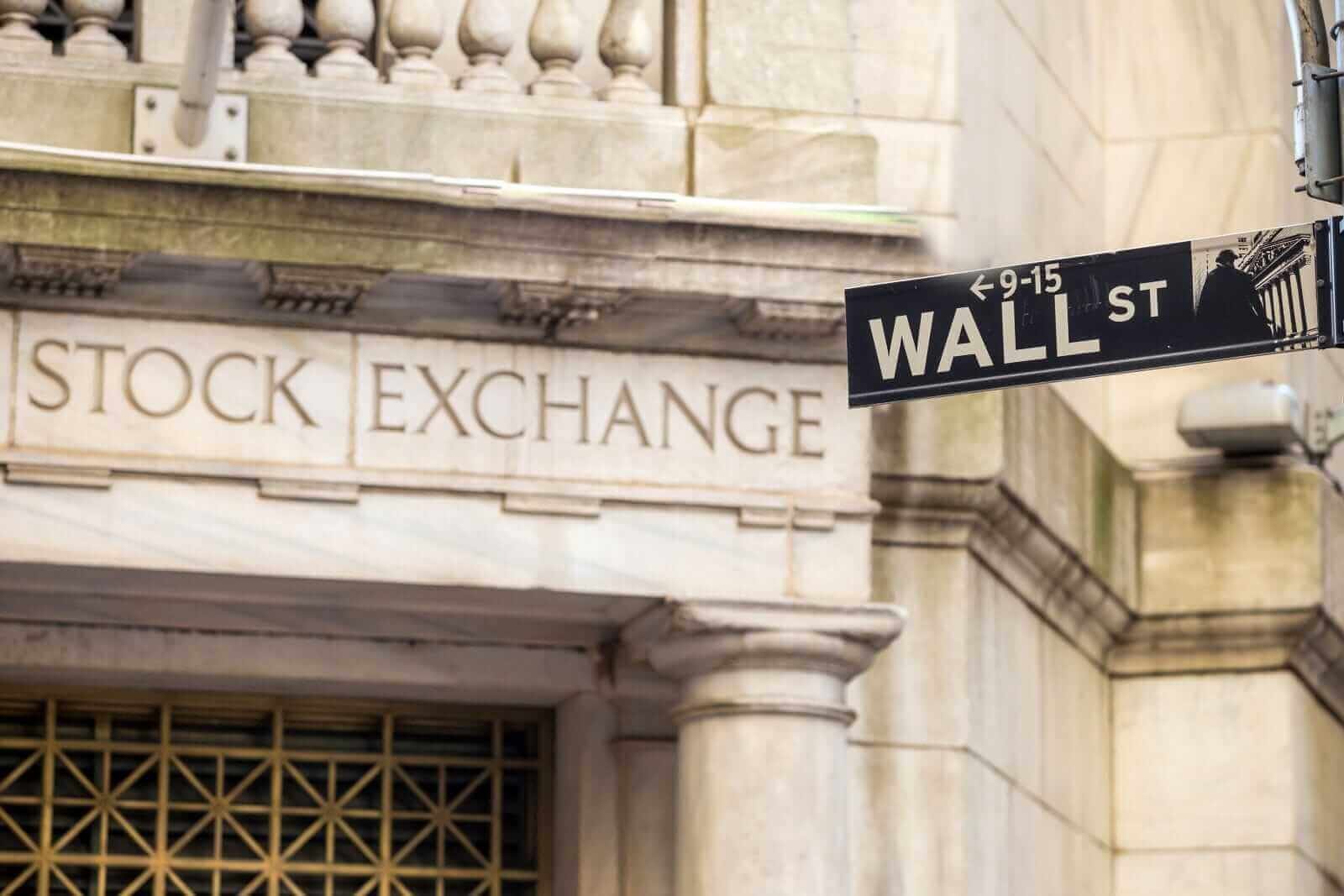
Major U.S. stock indices closed lower on Monday, led by a broad-market retreat as a sharp spike in crude oil prices fueled renewed concerns over inflation and rising Treasury yields. The S&P 500 Index ($SPX) fell -0.06%, the Dow Jones Industrial Average ($DOWI) dropped -0.11%, and the Nasdaq 100 Index ($IUXX) slid -0.34%.
Geopolitical Tensions Drive Crude Oil Higher
WTI crude oil prices (CLU26) surged more than +5% on Monday, triggered by stalled negotiations between Iran and Oman regarding the reopening of the Strait of Hormuz. Iranian Foreign Minister Abbas Araghchi stated that while a shipping route agreement is “very close,” its implementation remains contingent on the U.S. lifting blockades, removing sanctions, and providing compensation for damages related to past conflicts.
Market volatility intensified in the afternoon when President Trump rejected Iran’s demands for compensation, signaling a preference for sustained economic pressure over immediate military action. The risk of regional escalation remains elevated, highlighted by a recent missile attack on a UAE tanker and Houthi militant strikes on Saudi Arabia’s Jazan refinery.
Hawkish Fed Rhetoric Weighs on Sentiment
Investor sentiment was further dampened by Cleveland Fed President Beth Hammack, who adopted a hawkish tone during Monday’s session. Hammack argued that the current interest rate environment is not sufficiently restrictive and suggested that “some number” of additional rate hikes may be necessary to curb persistent inflation. Following these comments, the 10-year T-note yield climbed +5 bp to 4.70%, while the markets are now pricing in a 52% probability of a 25 bp rate hike at the September 15-16 FOMC meeting.
Mixed Market Performance and AI Resilience
Despite the downward pressure, losses were tempered by strength in software, cybersecurity, and energy sectors. Energy providers saw significant gains, with APA Corp (APA) rising over +9% and Marathon Petroleum (MPC) gaining more than +7% as oil prices climbed.
The AI sector also showed resilience. Taiwan Semiconductor Manufacturing Co. (TSMC) reported a 45% year-over-year increase in July sales, reinforcing optimism regarding sustained AI hardware demand. JPMorgan Chase & Co. bolstered this sentiment by raising its year-end S&P 500 projection to 8,000, citing faster-than-expected AI monetization and a robust earnings season. Bloomberg Intelligence reports that 85% of S&P 500 companies have beaten Q2 earnings estimates so far, with AI infrastructure accounting for nearly 60% of projected EPS growth.
Sector-Specific Movements
While software and energy stocks provided a buffer, other sectors struggled:
- Chipmakers: ARM Holdings (ARM) fell over -5%, while Nvidia (NVDA) and Qualcomm (QCOM) also saw declines.
- Transportation: Airline and cruise stocks, including Alaska Air Group (ALK) and Carnival (CCL), retreated as higher fuel costs weighed on margins.
- Homebuilders: Rising T-note yields, which drive mortgage rates higher, pressured companies like KB Home (KBH) and Toll Brothers (TOL).
Corporate News and Individual Movers
Specific corporate developments also shaped the day’s trading:
- Intel (INTC): Shares dropped over -4% following an announcement of a $15 billion common stock offering.
- Varex Imaging (VREX): Shares soared more than +48% after Teledyne Technologies announced an acquisition agreement valued at $1.1 billion.
- Monday.com (MNDY): Fell more than -4% after issuing Q3 revenue guidance that missed consensus estimates.
- Hewlett Packard Enterprise (HPE): Gained over +2% following an upgrade to “overweight” by Morgan Stanley.
Overseas, markets generally trended upward, with Japan’s Nikkei-225 rallying +2.08% and China’s Shanghai Composite climbing +0.672%. Meanwhile, European bond yields rose, and the Eurozone August Sentix investor confidence index hit a 6-month high of 0.9, signaling potential resilience despite the global inflationary environment.