

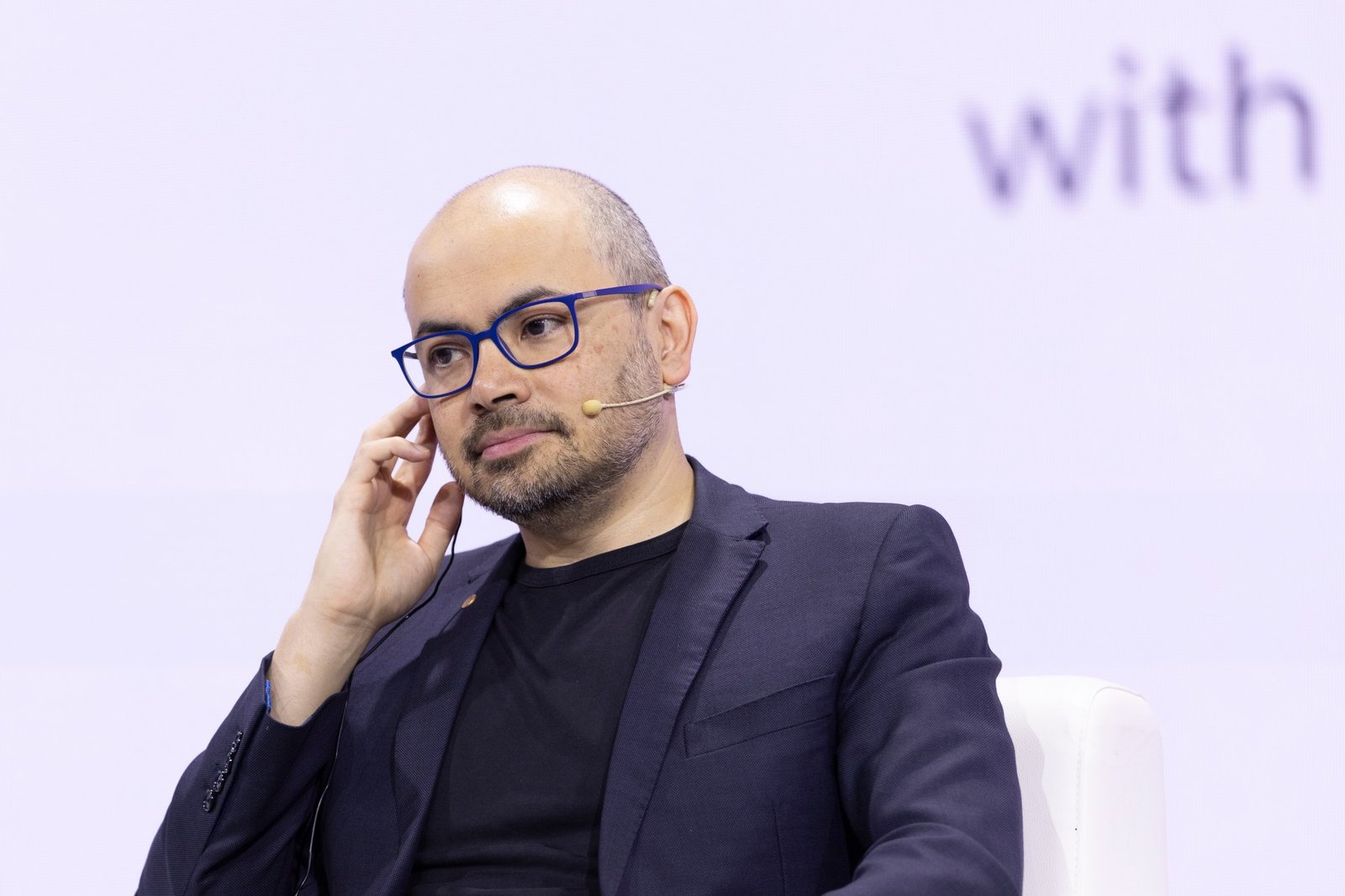
Google CEO Sundar Pichai and DeepMind co-founder Demis Hassabis announced a sweeping leadership overhaul on Wednesday in London, signaling a major power shift to the company’s Mountain View headquarters amid internal instability. The reshuffle sees Hassabis stepping down as CEO to become chairman, while Chief Scientist Jeff Dean and several key researchers depart the firm, leaving the future of the once-dominant AI lab in flux.
A Power Shift to Mountain View
DeepMind staff were left reeling by the announcement, questioning whether the move constitutes a promotion or a strategic demotion for Hassabis. Under the new structure, day-to-day operations will be managed by CTO Koray Kavukcuoglu, who will report directly to Pichai. Unlike the London-based Hassabis, Kavukcuoglu operates from California, fueling employee fears that DeepMind is losing its autonomy and being absorbed into Google’s corporate hierarchy.
A Google spokesperson stated that Hassabis remains committed to long-term strategy, but internal sources describe a growing “background pressure” to centralize control in the U.S. “A lot of people are quite upset,” one engineer noted. “Both by Demis exiting and losing the separation from Alphabet.”
The Struggle to Keep Pace in the AI Race
The restructuring follows a difficult year for Google DeepMind, which has struggled to retain its technical edge against rivals like OpenAI and Anthropic. The company has faced repeated embarrassment over the Gemini 3.5 Pro model, which missed three consecutive release deadlines. Insiders suggest the lab failed to prioritize AI coding capabilities—a critical oversight in the current market.
Micah Hill-Smith, CEO of benchmarking firm Artificial Analysis, noted that Google’s models have lost their top-tier status. “For a brief moment, we actually did have [Google’s] model on top as the smartest model in the world. Right now, it’s fair to say that [model] from Google is less compelling,” he said.
Burnout and the Talent Exodus
Technical setbacks have coincided with a wave of high-profile departures. In June alone, Gemini co-lead Noam Shazeer left for OpenAI, while AlphaFold co-inventor John Jumper joined Anthropic. Employees cite a “crunch time” culture, with many engineers reporting 60-hour work weeks that have led to widespread burnout.
Leadership criticism has also mounted. While Google co-founder Sergey Brin has taken a hands-on approach to AI, some staff view Hassabis as an increasingly absent figurehead. “Demis isn’t a very inspiring leader,” one former employee remarked. “He is more of a guy who is known but not seen.”
Defense Contracts and Union Tensions
Beyond technical and leadership issues, DeepMind is navigating a volatile political landscape. A 2026 deal allowing the Pentagon to use Gemini models on classified networks sparked an internal revolt, with over 580 employees signing an open letter of protest. This controversy, coupled with ongoing concerns over Project Nimbus, has accelerated a historic union drive among London-based staff.
Google has declined to voluntarily recognize the union, complicating the transition as the company attempts to align its AI research with commercial and government interests. As the lab enters this new, more centralized phase, the challenge remains: can a restructured DeepMind recover its momentum, or will the loss of its founding identity deepen the crisis?